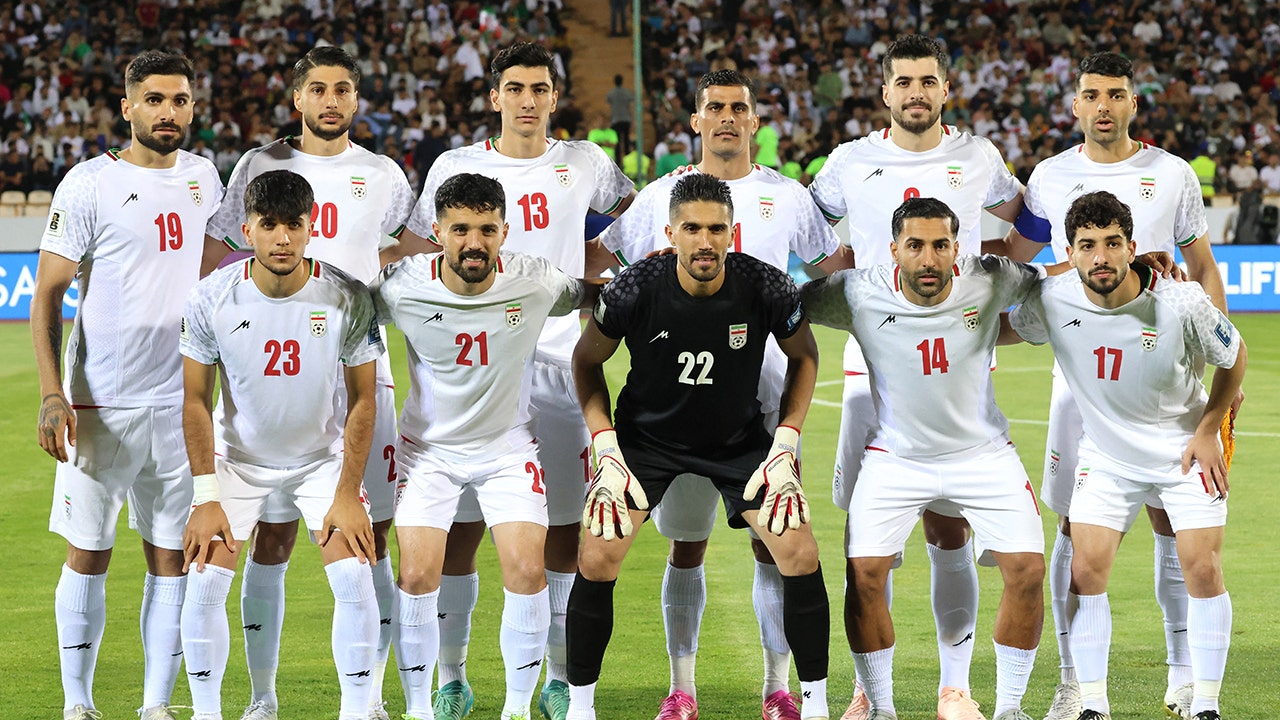
The Iranian Football Federation has raised serious concerns about Iran's potential participation in the 2026 FIFA World Cup, citing recent military strikes believed to be assisted by the United States and Israel. These strikes have heightened tensions and created uncertainty regarding Iran's ability to engage in international sporting events.
In a statement released earlier this week, the federation questioned whether Iran would be able to safely participate in the upcoming tournament, emphasizing the impact of ongoing military actions on the country's stability and security. The strikes targeted strategic locations within Iran, reportedly aimed at disrupting military capabilities, but they have also caused significant damage to infrastructure and civilian areas.
Iranian officials have condemned the attacks, accusing the United States and Israel of orchestrating a campaign to destabilize the country. The government has called for international support and has warned of potential repercussions if the strikes continue. The situation has led to widespread concern among the Iranian public and the international community about escalating tensions in the region.
FIFA, the international governing body of football, has yet to comment publicly on Iran's concerns. However, the Iranian federation has indicated that it is closely monitoring the situation and is in discussions with other national teams and sports organizations about possible implications for the tournament.
Historically, Iran has been a strong contender in Asian football and has participated in multiple World Cups. However, the current geopolitical climate presents unprecedented challenges for the nation’s sports diplomacy and international participation. The upcoming months will be critical in determining whether Iran will proceed with its plans to compete in the 2026 World Cup or if diplomatic and security concerns will lead to a withdrawal or postponement.
As tensions continue to rise in the region, the international community remains cautious, urging restraint and dialogue to prevent further escalation. The situation underscores how geopolitical conflicts can significantly impact international sporting events and the participation of nations on the global stage.